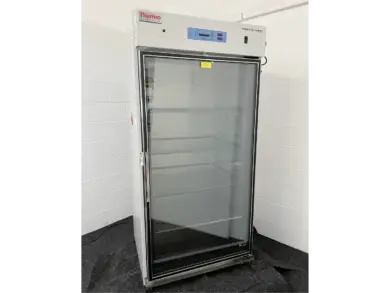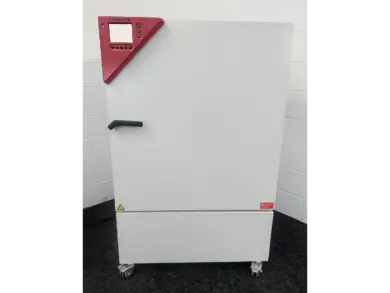
A laboratory incubator is an essential piece of equipment for many labs, including microbiology, pharmaceutical and biotech. They provide user-controlled environments that allow microorganisms, cells or other biological samples to be maintained under carefully regulated conditions.
On the face of it, that’s really simple, however, “laboratory incubator” covers a wide range of equipment, and it can be a minefield finding the perfect model for your lab. A microbiology laboratory, pharmaceutical research facility, university department and industrial testing laboratory may all require an incubator, but the specification needed can be very different. But don’t worry, at Richmond Scientific, not only do we sell a fantastic range of new and preowned incubators, we’re also experts in our field, meaning we can give you all the info and advice you need.
This guide explains the main types of laboratory incubators and what applications they are designed for. You are always welcome to give our team a call on 01257 270 433 to chat through your exact needs.
What is a laboratory incubator?
A laboratory incubator is a controlled-temperature chamber designed to maintain samples at a stable and repeatable environment. Unlike a simple oven, which is primarily designed for heating and drying, incubators are designed to provide conditions suitable for biological and scientific processes where temperature stability is critical.
Common applications include microbiology testing, cell culture, pharmaceutical research, environmental testing, food analysis, biotech and lab QC. Different incubator designs provide different levels of environmental control.
What are the different types of laboratory incubators?
There are many types of incubators beyond the standard laboratory incubator, including CO₂ incubators, refrigerated incubators, BOD incubators, shaking incubators and light-controlled incubators. Understanding the differences between these systems is essential when selecting equipment.
Standard laboratory incubators
Standard laboratory incubators are designed for applications requiring accurate and stable temperature control. They are commonly used for microbiological incubation, sample storage, general laboratory testing and growth studies.
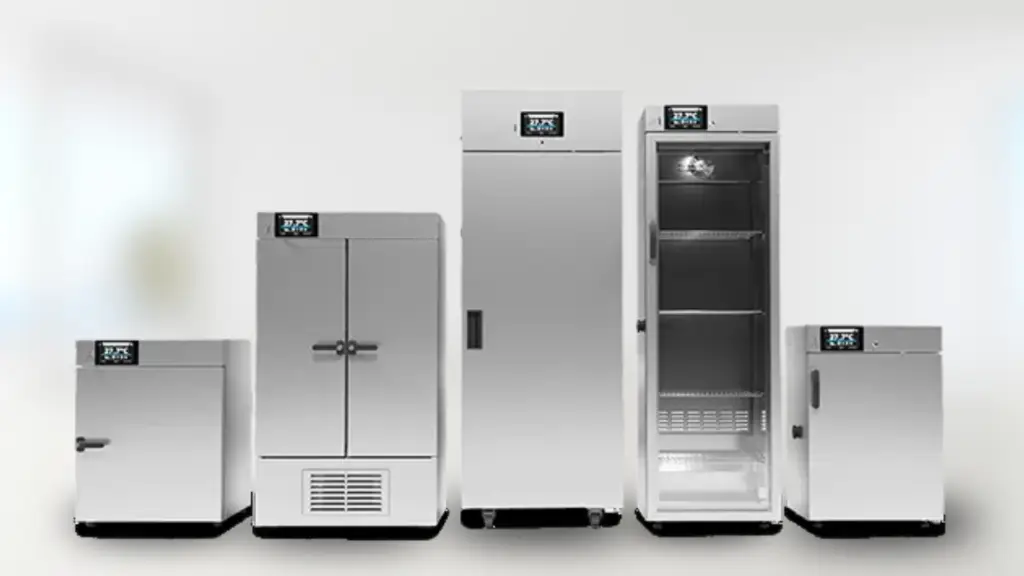
A typical laboratory incubator provides controlled heating and airflow to maintain a consistent temperature throughout the chamber. Pol-Eko offers laboratory incubator solutions designed for a wide range of applications, with options including natural and forced air convection systems.
When selecting a standard incubator, consider the required temperature range, chamber capacity / number of samples, temperature uniformity requirements and whether forced air circulation is required. Natural convection is often preferred for delicate samples, while forced air circulation typically has better temperature uniformity.
CO₂ incubators for cell culture and biotechnology
CO₂ incubators are specialised laboratory incubators designed to create the conditions required for cell and tissue culture. Unlike standard incubators, CO₂ incubators may control additional parameters including temperature, carbon dioxide concentration and humidity. These factors help create a stable environment suitable for maintaining cell cultures.
Pol-Eko CO₂ incubators, including the ILC 180 and ILC 260 models, are designed for cell growth and tissue culture applications. Features include controlled CO₂ concentration, temperature control and contamination-control features such as hot-air sterilisation and easy-clean interiors.
When choosing a CO₂ incubator, you should consider the CO₂ control method, sterilisation requirements, chamber capacity, internal cleaning requirements, and monitoring and alarm systems.
CO₂ incubators are commonly found in biomedical research, pharmaceutical development, biotechnology laboratories and cell biology research.
Refrigerated incubators
Refrigerated incubators combine heating and cooling systems, allowing samples to be maintained at temperatures below ambient conditions. They are particularly useful where temperature stability is required despite changes in laboratory temperature.
Applications include microbiology, stability testing, environmental studies, and storage of temperature-sensitive samples.
Pol-Eko refrigerated incubators include the IL and ST ranges. The ST range provides controlled incubation from approximately +3°C to +70°C, while IL refrigerated incubators are designed for applications requiring a wider temperature range, including operation below ambient temperature.
Benefits of refrigerated incubators include greater temperature flexibility, improved stability, reduced impact from seasonal laboratory temperature changes, and suitability for long-term testing.
Shaking incubators
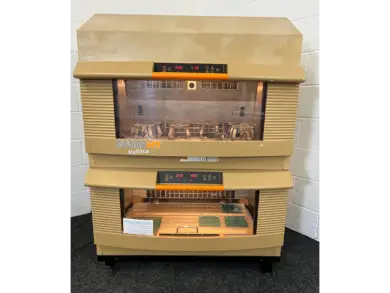
Shaking incubators combine temperature control with orbital shaking, allowing samples to be mixed while being incubated. They are widely used in microbiology, biotechnology, cell culture, and fermentation studies. The shaking motion helps maintain suspension of samples and can improve oxygen transfer in biological cultures.

Light-controlled incubators and photoperiod systems
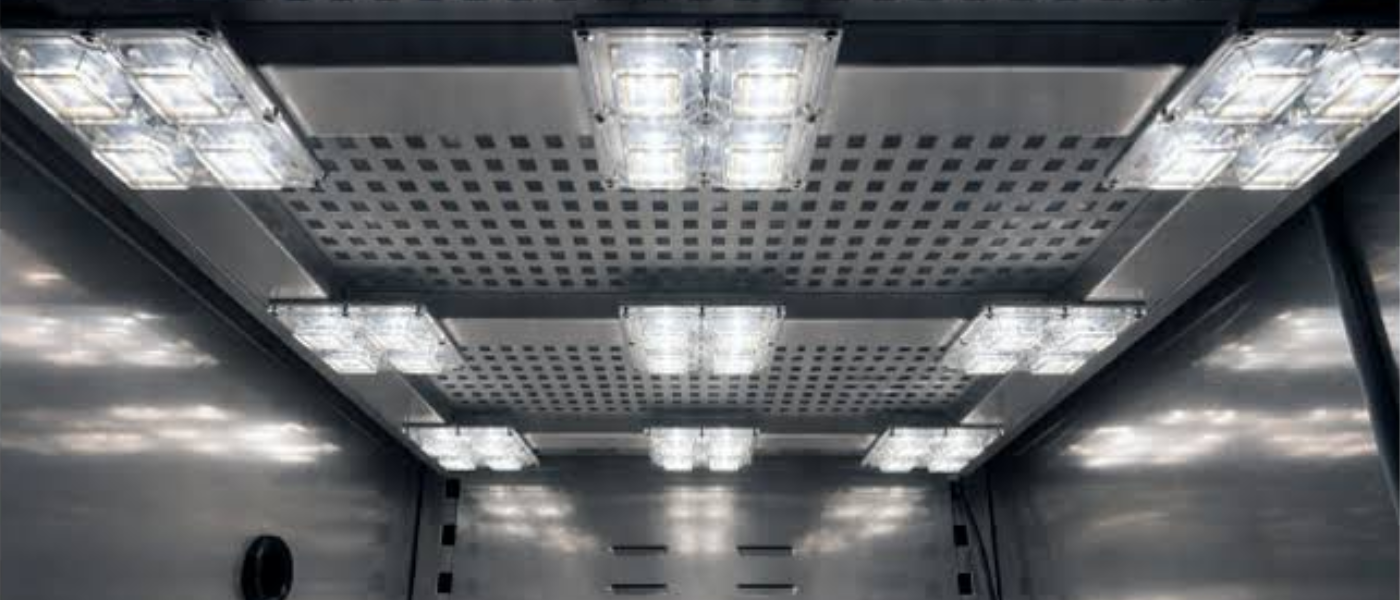
Some research applications require not only temperature control but also controlled lighting conditions. Light-controlled incubators can simulate day/night cycles or provide controlled illumination for experiments involving plant growth, seed germination, environmental research, and biological studies.
Pol-Eko refrigerated incubators can be configured with photoperiod or phytotron functions, allowing control of lighting conditions alongside temperature.
When selecting a light-controlled incubator, consider light intensity requirements, day/night cycles, temperature stability, and humidity requirements.
Climate chambers vs laboratory incubators
Although laboratory incubators and climate chambers can appear similar, they are designed for different purposes.
Laboratory incubators generally focus on maintaining stable temperature conditions for biological samples.
Climate chambers typically provide more advanced environmental control, including temperature cycling, humidity control, light control and stability testing conditions. The correct choice depends on the testing requirements rather than simply the desired temperature range.
Buying a new or second-hand laboratory incubator
A new incubator may be the right choice where specific configurations, warranties or latest technology are required. We stock a fantastic range of highly customisable incubators from Pol-Eko, as well as popular shaking incubator solutions from Ohaus.
Meanwhile, refurbished laboratory equipment can provide excellent value, particularly for laboratories with clear specifications. Buying second hand often means lower capital cost, reduced environmental impact, much faster availability, and access to discontinued but reliable models.
Richmond Scientific regularly receives second-hand laboratory incubators from universities, research organisations and industrial laboratories. Available equipment changes frequently, so laboratories looking for specific manufacturers or specifications should contact us directly to discuss our Source & Supply service.
How to choose the right laboratory incubator
Before purchasing, consider:
Application
What will the incubator be used for?
A microbiology laboratory may require different features from a cell culture laboratory or environmental testing facility.
Temperature requirements
Consider the required operating temperature, what temperature accuracy you need, and whether there is a need for cooling and/or temperature cycling.
Capacity
Think about current sample requirements and potential for future expansion, available lab space, and running costs and sustainability.
Additional features
Depending on the application, you may need CO₂ and/or humidity control, lighting, shaking, data logging and reporting, and alarm systems.
Laboratory incubators from Richmond Scientific
Richmond Scientific supplies laboratory equipment for research, education and industry, including new Pol-Eko equipment and a wide range of second-hand laboratory instruments.
Whether you require a CO₂ incubator for cell culture, a refrigerated incubator for microbiology, a shaking incubator for biotechnology research or a specialist system for a specific application, our team can help identify the right solution.
Contact Richmond Scientific to discuss your laboratory incubator requirements or explore our current range of available equipment.
Products by Category
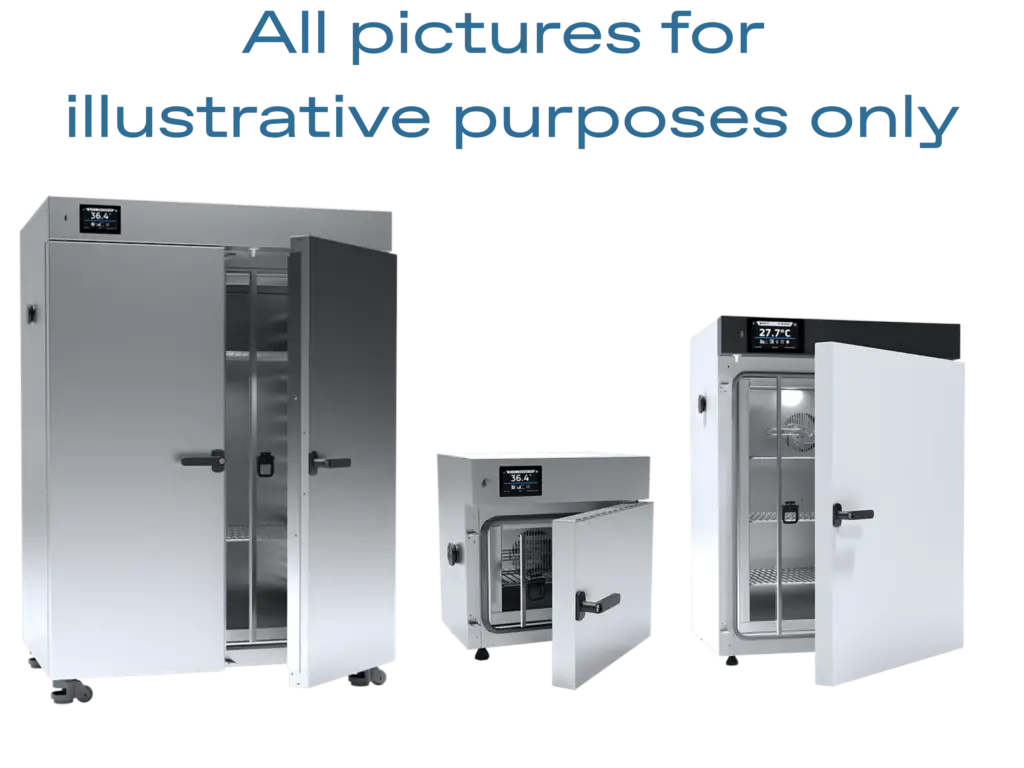
POL-EKO CL Incubator
Price range: £1,557.24 through £10,332.00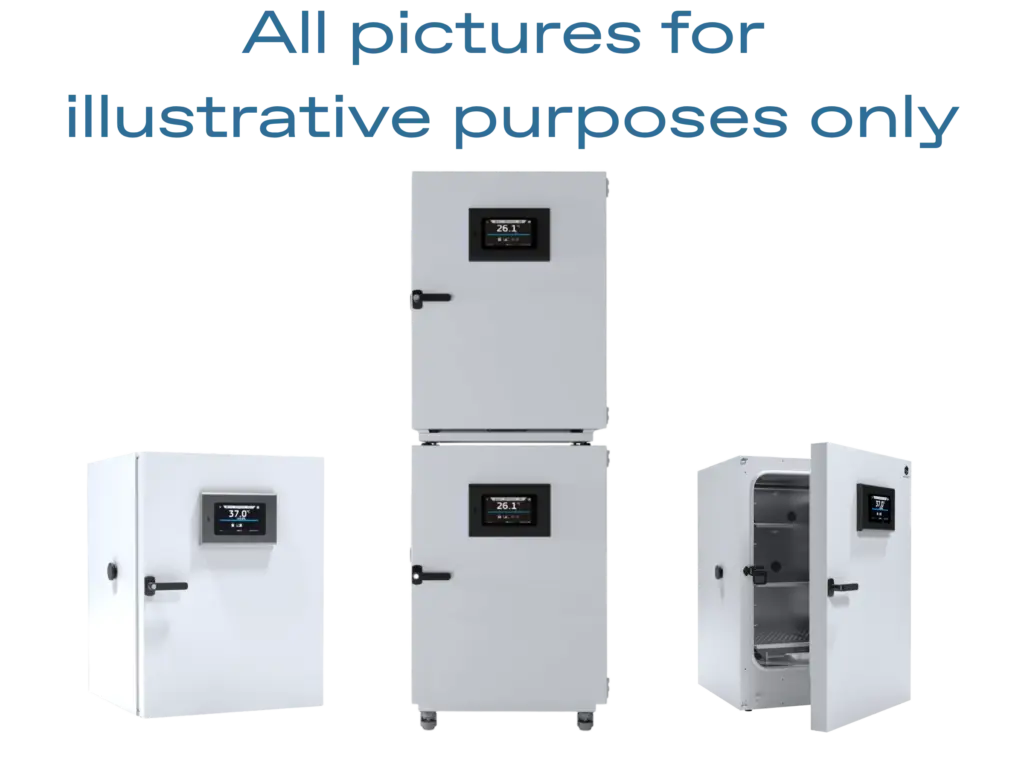
POL-EKO ILC CO2 Incubator
Price range: £8,746.91 through £9,845.29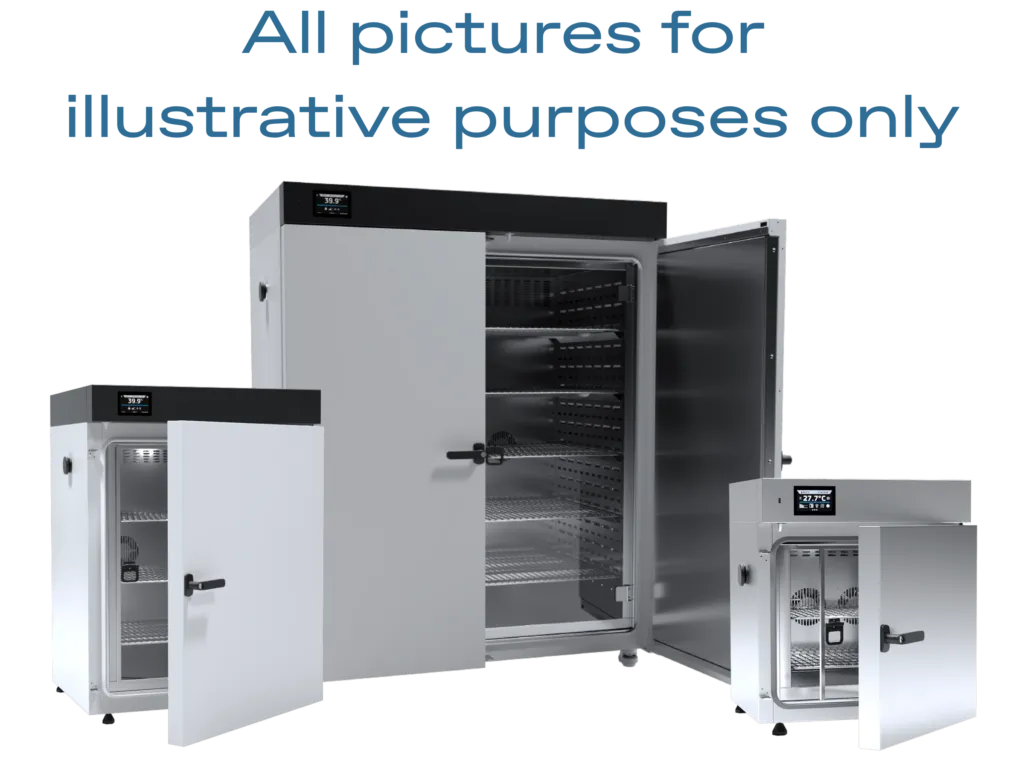
POL-EKO ILP Peltier Cooled Incubator
Price range: £3,311.60 through £10,156.26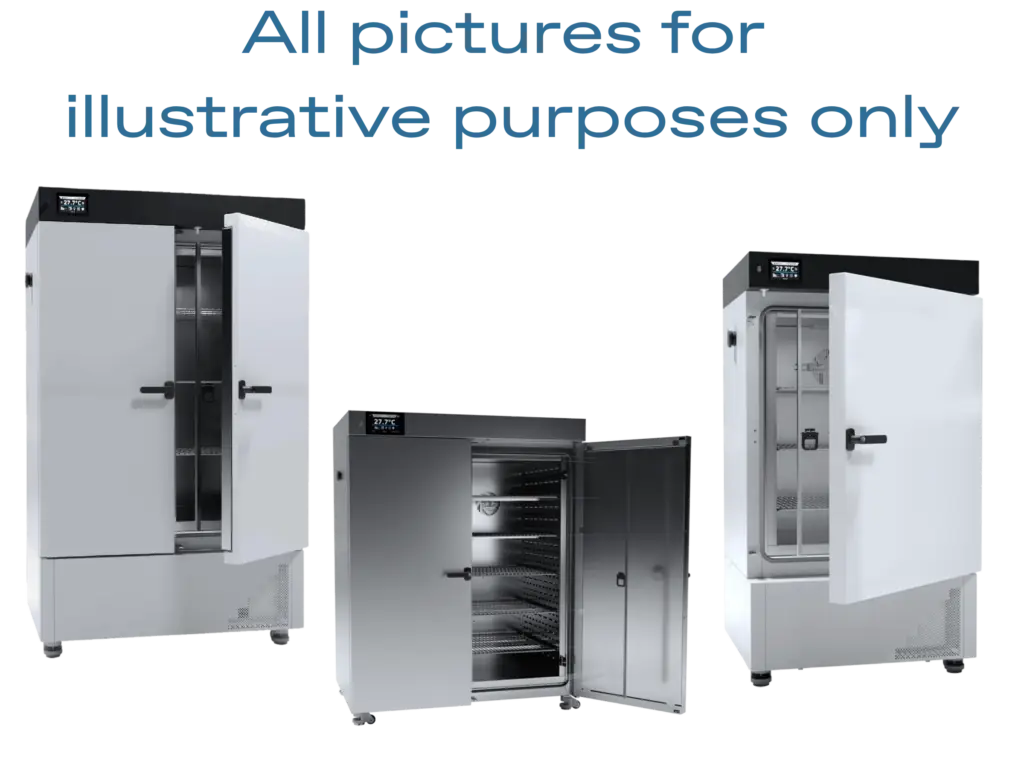
POL-EKO ILW Cooled Incubator
Price range: £3,752.81 through £11,368.07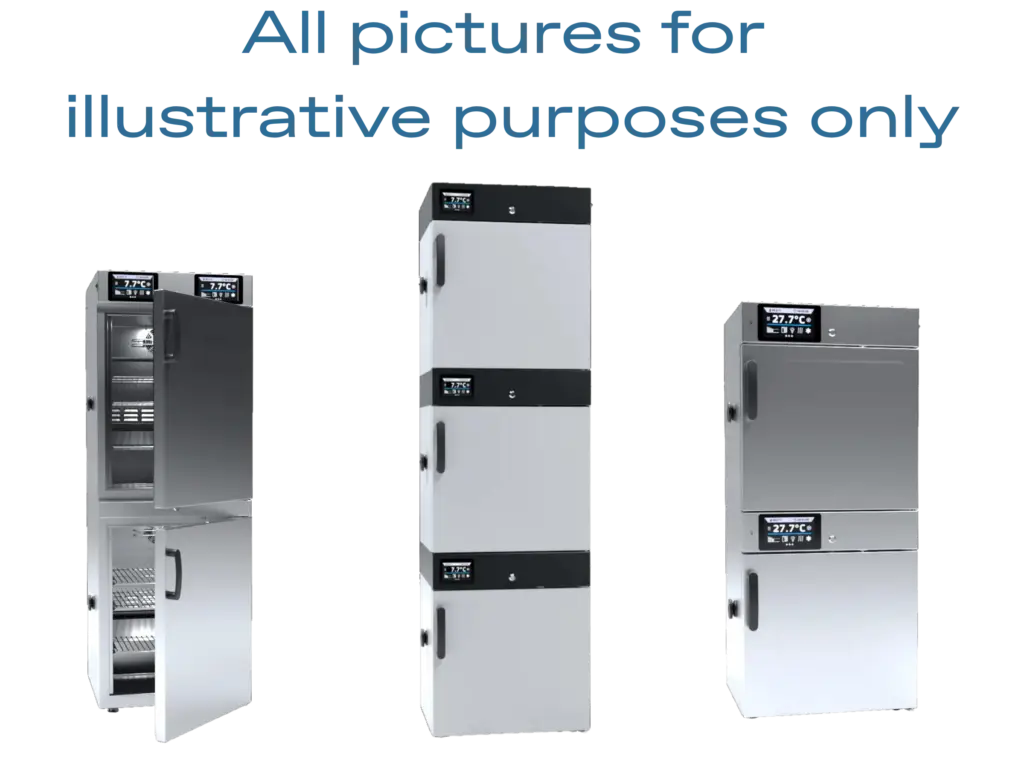
POL-EKO Multi-Chamber
Price range: £3,887.74 through £8,688.78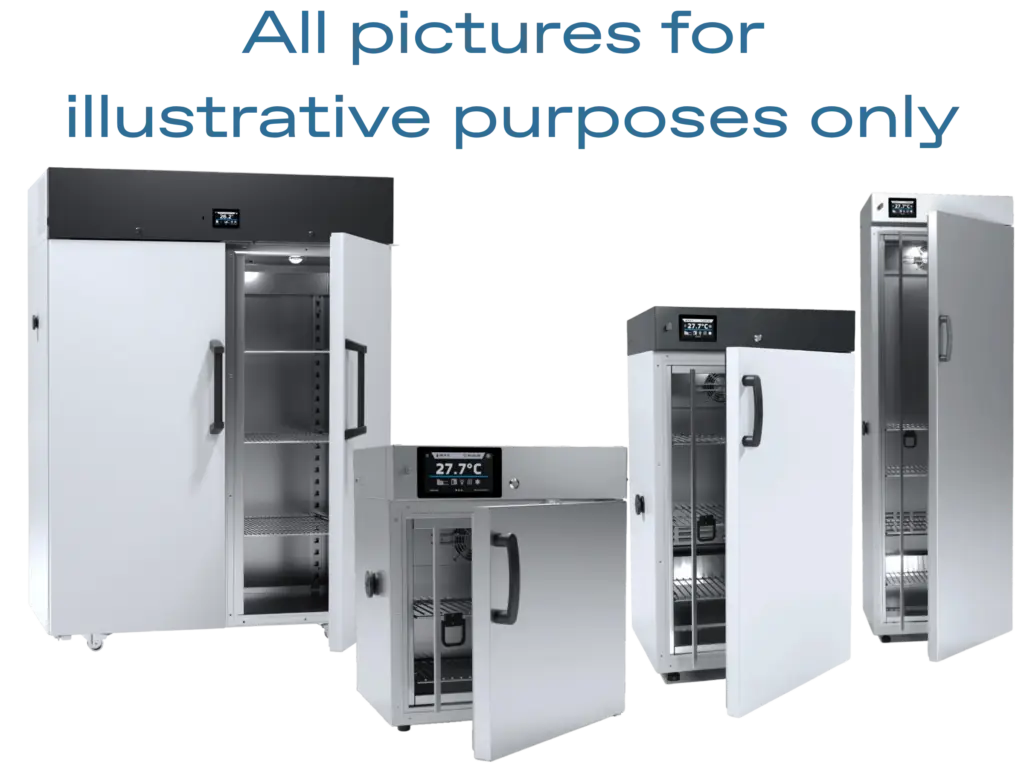
POL-EKO ST Cooled Incubators
Price range: £2,235.00 through £7,955.00
FAQs
What is a laboratory incubator used for?
A laboratory incubator is used to maintain samples, cultures or materials under controlled environmental conditions, usually by regulating temperature and sometimes additional parameters such as carbon dioxide concentration, humidity, light or agitation.
Laboratory incubators are commonly used in microbiology, biotechnology, pharmaceutical research, environmental testing, food testing and academic laboratories.
The type of incubator required depends on the application. For example, cell culture laboratories typically require CO₂ incubators, while environmental testing laboratories may require refrigerated or BOD incubators.
How much does a laboratory incubator cost?
The cost of a laboratory incubator depends on several factors, including:
- Type of incubator
- Chamber size and capacity
- Temperature range
- Additional controls such as CO₂, humidity or lighting
- Manufacturer
- New or refurbished condition
Basic laboratory incubators are generally more affordable, while specialist systems such as CO₂ incubators, light-controlled incubators and large-capacity models require a greater investment.
Richmond Scientific supplies both new laboratory incubators from manufacturers such as Pol-Eko and a changing range of high-quality refurbished laboratory equipment. Contact our team for advice on finding the right incubator for your application and budget.
How long does it take to get a laboratory incubator?
Lead times vary depending on the manufacturer, model, specification and availability. Our typical lead time for new and customisable options from Pol-Eko is typically around 8-10 weeks. For laboratories working to tight deadlines, preowned laboratory incubators can often provide a faster alternative, with UK delivery typically within 10 working days of payment.
What is the difference between an incubator and an oven?
Although laboratory incubators and ovens can look similar, they are designed for different purposes. Laboratory ovens are primarily used for heating, drying, sterilisation or heat treatment, often at higher temperatures. Meanwhile, incubators are designed to maintain stable, controlled conditions suitable for biological samples, microorganisms, cells or other temperature-sensitive materials.
For example:
A drying oven may be used to remove moisture from samples.
A microbiology incubator may be used to support controlled microbial growth.
Choosing the correct equipment depends on the application rather than simply the required temperature.
What is the difference between a standard incubator and a CO₂ incubator?
A standard laboratory incubator controls temperature, while a CO₂ incubator provides additional environmental control required for many cell culture applications.
CO₂ incubators are often used to regulate temperature, CO2 concentration and humidity. This creates conditions that more closely replicate the environment needed for cells and tissue cultures. Standard incubators are commonly used for applications such as microbiology and general laboratory testing, while CO₂ incubators are widely used in biotechnology, biomedical research and pharmaceutical laboratories.
What is a refrigerated incubator used for?
A refrigerated incubator combines heating and cooling capabilities, allowing samples to be maintained at controlled temperatures below ambient laboratory conditions.
They are commonly used for microbiology testing, environmental analysis, stability studies, and research applications requiring lower temperature control. Refrigerated incubators are particularly useful where laboratory temperature fluctuations could affect results or where samples require long-term controlled conditions.
What is a BOD incubator used for?
A Biochemical Oxygen Demand (BOD) incubator is commonly used in environmental laboratories for water quality testing. BOD incubators maintain samples at controlled temperatures during biochemical oxygen demand analysis, which measures the amount of oxygen consumed by microorganisms in water samples.
They are commonly used by environmental testing laboratories, water authorities, wastewater laboratories and research. Our Pol-Eko ST range of cooled incubators are ideal for BOD determination.
What is a shaking incubator used for?
A shaking incubator combines controlled temperature conditions with orbital shaking, allowing samples to be mixed while they are incubated.
They are commonly used in microbiology, biotechnology, fermentation research and cell culture applications. The shaking motion can improve mixing and oxygen transfer, making these systems useful for growing cultures where agitation is required.
At Richmond Scientific, we supply second-hand laboratory shaking incubators, as well as brand new equipment from Pol-Eko and Ohaus.
What is a light-controlled incubator used for?
Light-controlled incubators provide controlled illumination alongside temperature regulation, allowing researchers to simulate specific lighting conditions.
They are commonly used for plant research, seed germination studies, environmental research, and biological experiments requiring controlled light cycles.
Features may include programmable day/night cycles and controlled light intensity, depending on the system specification.
Can you buy refurbished laboratory incubators?
Yes! Preowned laboratory incubators can be an excellent option for laboratories looking to reduce costs, improve sustainability or obtain equipment more quickly. At Richmond Scientific, we regularly receive second-hand laboratory equipment, including incubators, from laboratories across a range of sectors. See our latest stock for our current range, or get in touch to let us know what you need.
How do I choose the right laboratory incubator?
The best incubator depends on your application, sample requirements and required level of environmental control.
Key considerations include:
- What will the incubator be used for?
- What temperature range is required?
- Is cooling required?
- Is CO₂ control needed?
- Is humidity control required?
- Is lighting required?
- What chamber capacity is needed?
- Do you need a new or refurbished system?
If you are unsure which incubator is suitable, our experienced team can help you choose the best model based on your application and technical requirements. Give the team a call on 01257 270 433