Could hoarding unused lab equipment be costing you £££s?
Laboratories are constantly changing. Research teams and priorities shift, new projects start, technology advances faster than anyone can keep up with, teams expand, and equipment that was once indispensable is sitting at the back of the lab gathering dust (and potentially racking up service costs too!)
Nobody sets out to use a high-spec fume cupboard to store bottles of water. Nobody buys an incubator just to put it in the corner ‘in case it comes in handy one day’. It just happens over time. But it’s something that any good lab manager needs to keep an eye on, because that unneeded equipment is taking up valuable floor space, eating away at the electric bill, and costing unnecessary service charges or personnel time.
Regularly review your current equipment to:
- Recover value from surplus equipment
- Reduce unnecessary costs
- Improve the efficiency of your lab
- Create valuable working space
- Ensure that your equipment is appropriate for your current work
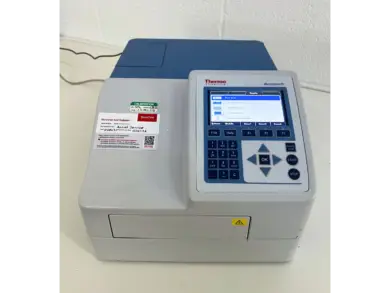
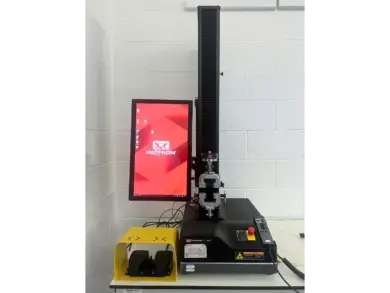
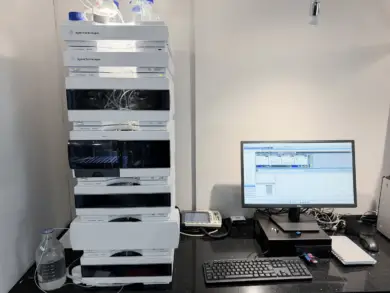
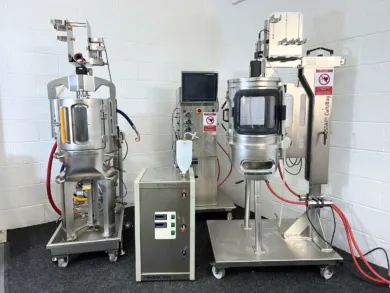
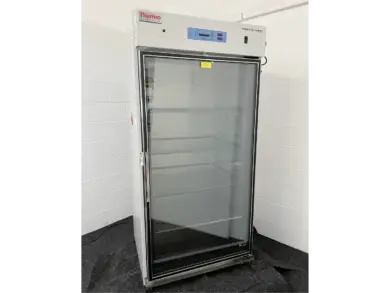
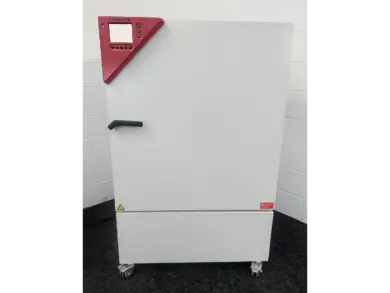
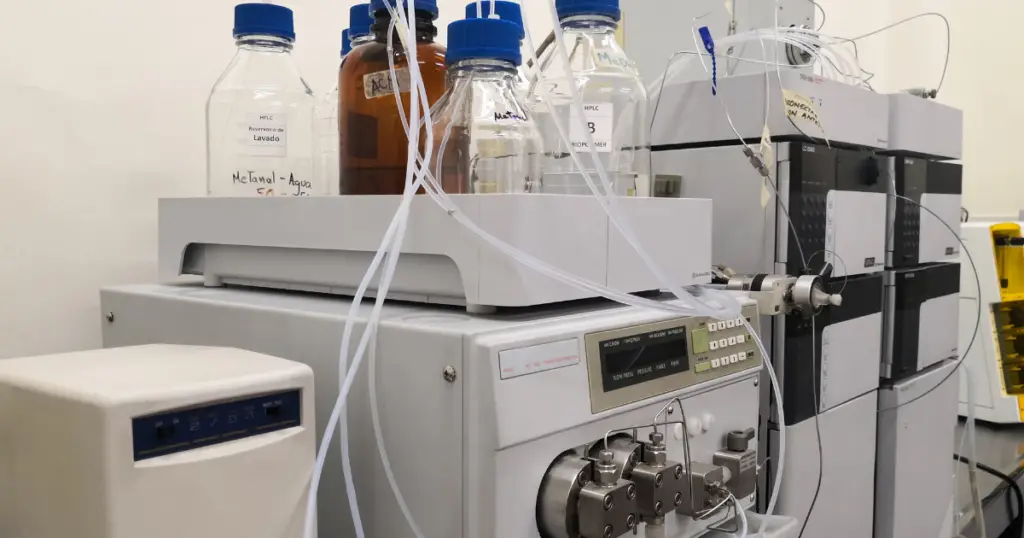
You’re walking around your lab and you come across a safety cabinet being used as an expensive storage cupboard; a 5-place balance that never gets used because everyone prefers the one next door; a climate chamber that was bought for a project three years ago that fell through so nobody ever uses it; an expensive piece of analytical equipment that nobody actually knows how to use because that one person who did left the business two years ago but you hung on to it just in case… Depending on the manufacturer, age, specification and condition, that equipment could still hold some value. Rather than continuing to occupy valuable laboratory space, it could be assessed, resold and given a second life through a specialist reseller (That’s us!)
Somewhere, another laboratory may be looking for exactly this type of equipment. It could provide an affordable solution for a growing research group, a start-up developing new technology, a university expanding teaching facilities or an organisation working within a tighter budget.
Keeping good equipment that you don’t need benefits no one. Extending its useful life helps laboratories to potentially recover some value, while making high-quality scientific equipment more accessible to others. Equipment does not lose all of its value just because your laboratory no longer needs it.
Three types of surplus laboratory equipment
1. Equipment that is no longer used
If equipment has not been used for months or years, it is worth asking whether it still belongs in the laboratory.
Examples:
- a centrifuge from a completed research project
- an incubator replaced during an upgrade
- a balance kept as a backup (but is never actually used)
2. Equipment that is underused
Perhaps you still use an instrument occasionally, but not in a way that justifies owning and maintaining that particular model.
For example, an analytical instrument purchased for advanced research may now only be used for simple routine measurements because the original project has ended. The equipment works perfectly, but the laboratory is no longer making use of its full capability. In this situation, a more appropriate, lower-cost instrument may provide everything the team currently needs while releasing funds from the original asset.
3. Equipment being used for the wrong purpose
Sometimes expensive laboratory equipment becomes something it was never intended to be. A fume cupboard is designed to provide controlled ventilation and protect users during chemical work. However, once a project ends, it slowly becomes a storage cupboard, a place to leave unused equipment, or somewhere to keep boxes “temporarily”.
A review can help determine whether the best option is to:
- Sell it – Get a quote from Richmond to have it picked up and get it out of your hair
- Replace it with a more suitable solution. Speak to the team on 01257 270 433 about our part-ex options.
The ongoing costs of keeping surplus equipment
When equipment is already paid for, it can feel like storing it costs nothing. We worry about selling it for far less than we paid because we don’t want to lose money. The fact remains though, that every month you continue to store it, you’re racking up more costs. A year passes and before you know it you have another service engineer bill. You extend the lab for more space, without realising all you had to do was clear what you already had. When you look at it objectively, storing unneeded equipment doesn’t justify waiting around for months or years, just to try to justify the original spend
What is surplus lab equipment costing you?
Laboratory space
Laboratory space is expensive. There’s no way around it. An unused environmental chamber or analytical system may occupy an area that could otherwise support active research or new equipment. No competent lab manager will allow that space to be wasted just to hoard unwanted kit.
Maintenance and servicing
Some equipment requires ongoing attention to remain operational. This may include routine servicing, replacement parts, and maintenance contracts. Too many labs get caught out continuing to pay for maintenance or service plans on equipment that no longer provides enough value.
Calibration and compliance
For equipment used in regulated or quality-controlled environments, calibration and documentation requirements can continue even when utilisation decreases. A balance or analytical instrument may still require management even if it is only occasionally used. This isn’t a great use of anyone’s (expensive) time.
Why selling surplus laboratory equipment makes sense
Selling laboratory equipment is not about getting rid of valuable assets. It’s about making sure equipment is being used where it provides the most benefit.
For your lab, this can mean recovering part of the original investment, reducing storage requirements, avoiding unnecessary ongoing costs and creating space for more appropriate equipment.
For the wider scientific community, it supports a more circular approach to laboratory equipment, allowing other lab users to access equipment that might otherwise be out of reach.
Supporting a circular economy in laboratories
Extending the life of existing equipment reduces the need for every laboratory to purchase new instruments and helps maximise the value of equipment that has already been produced.
Circular economy principles do not mean keeping everything forever. They mean using resources intelligently. Sometimes the most sustainable decision is not storing an unused instrument indefinitely, it is allowing it to move to a laboratory where it will actually have a meaningful use.
How Richmond Scientific helps laboratories recover value from surplus equipment
At Richmond Scientific, we work with laboratories looking to sell surplus equipment and with organisations searching for reliable preowned laboratory instruments. We help identify equipment that may still have value, supporting laboratories through the process of moving on instruments they no longer need.
This can include individual high-value instruments, equipment replaced during upgrades, surplus items from laboratory clearances and larger collections of equipment during relocations.
By helping equipment move from one laboratory to another, Richmond supports a more sustainable approach to scientific equipment while helping organisations make practical financial decisions.
Could your laboratory equipment be working harder elsewhere?
Ask yourself: If you were looking to buy this equipment today, would you still go for this model? If the answer is no, it may be time to review whether it is still the right asset for your laboratory.
Consider whether the equipment is still used regularly, whether you are paying for maintenance, how much space it takes up, and whether you are using it for a suitable purpose. If you have surplus laboratory equipment, get in touch with the team on 01257 270 433 to discuss your options.