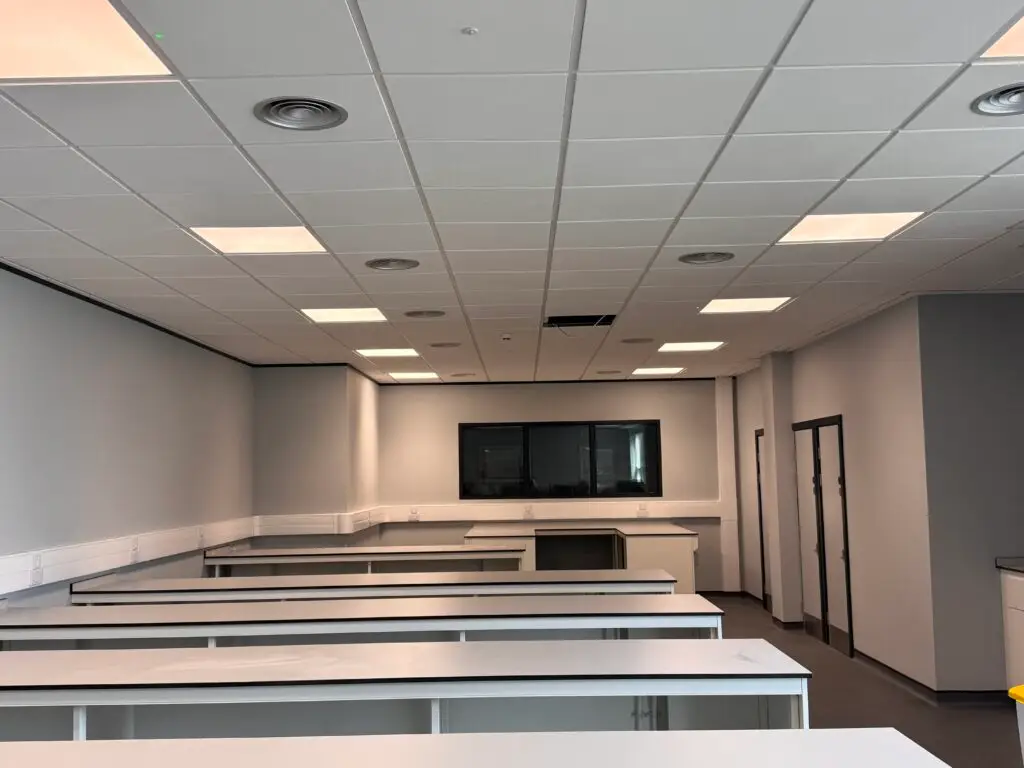
If you are setting up a lab on a fixed budget, the practical answer is to buy used for the workhorses and new for the few instruments where support, software or paperwork decide the outcome.
Most new labs can equip the majority of the bench second hand and put the saving into the one or two instruments the science genuinely depends on. Done well, that is the difference between opening this quarter and waiting for the next funding round.
Here is how we would split it, based on 25 years of helping labs of every size get set up.
Start with the specification, not the brand
Write down what the work actually needs: the temperature range, the speed, the sensitivity, the throughput, the number of samples a week. Then look at what meets it. New labs often anchor on the brand they used in a previous job and end up paying for performance they will never use. The opposite happens too, so be honest about where you cannot compromise.
What to buy used
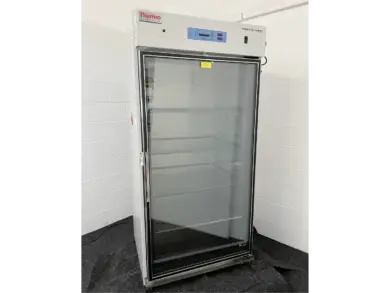
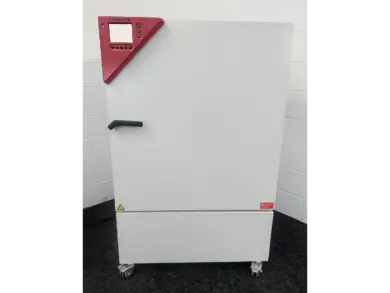
- Incubators and environmental chambers
- Ovens and furnaces
- Centrifuges, including refrigerated models
- Balances and moisture analysers
- Shakers, stirrers, hotplates and water baths
- Fume cupboards and safety cabinets
- Fridges and freezers, including ULT, with an eye on running costs
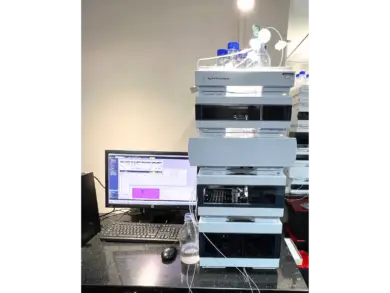
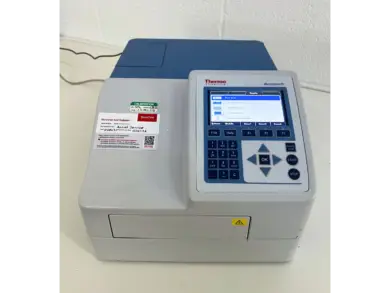
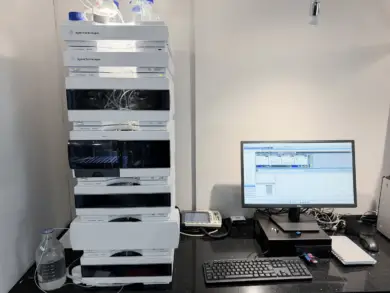
- Mature analytical systems such as HPLC, GC, FTIR and UV-Vis
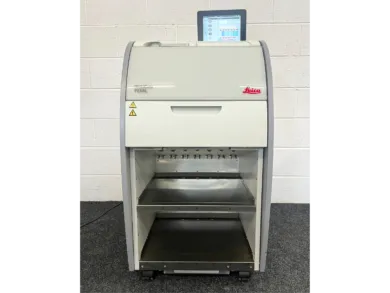
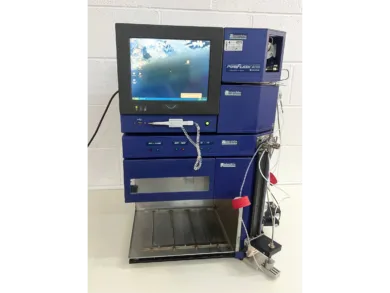
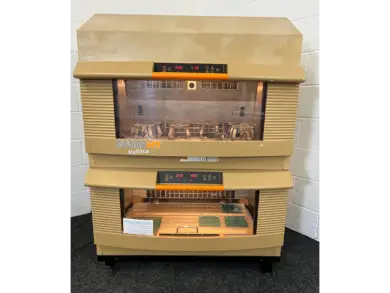
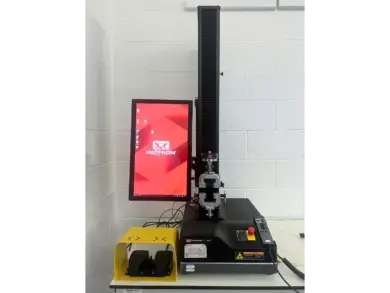
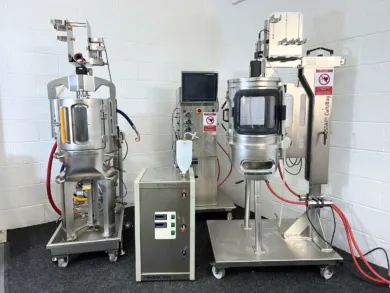
These are robust, widely serviced and hold their value. Buying them used frees up a large part of a new lab equipment budget for the things that are harder to compromise on. You can see what we currently hold in our used equipment catalogue.
What is usually worth buying new
- Anything where a warranty or service contract from day one is a condition of your funding, your insurance or your quality system.
- Instruments that depend on a current, supported software version, particularly where data integrity requirements apply.
- Equipment you expect to keep for the next decade, where manufacturer support is already being withdrawn from older models.
- Anything where the running cost of an older unit wipes out the saving, which usually means cold storage.
New also makes sense when you need several identical units and want them matched, delivered together and supported under one agreement.
Lead time is the thing people underestimate
New instruments are often quoted in weeks and arrive in months. When you are paying rent on a half empty lab, that is real money. Used equipment is already on the shelf, so stock items can often be with you in about a week. For a startup working to a funding milestone or a landlord deadline, that difference is sometimes the whole decision.
Check your funding and procurement rules first
Read the terms of your grant or investment before you commit. Some funders set rules about capital spend, asset ownership or how many quotes you need, and a few restrict second hand purchases outright. It is far easier to ask at the start than to unwind it later. A dealer who sells both new and used can quote you side by side, which makes the comparison simple to put in front of a funder or a board.
Think about the exit, not just the purchase
Laboratory equipment holds its value better than most business assets. If the work moves on, or you outgrow something, it can be sold or part exchanged rather than written off. We offer credit or part exchange towards other equipment, which is worth knowing while you are deciding how much to spend now.
A sensible way to split the budget
As a rough rule: buy the bench used and buy the bottleneck new. Spend where a failure stops the science, and save where a failure costs you a day. Then keep a contingency, because what catches out new labs is rarely the big instrument. It is the twelve small items nobody budgeted for.
Tell us what you are trying to do and we will tell you honestly which parts we would buy new. Call the team on 01257 270 433.
Common questions
Most new labs are best served by a mix. Buy used for robust, widely serviced equipment such as incubators, centrifuges, ovens and balances, and buy new where a warranty, a current software version or documented support is a condition of funding or of the method. That approach equips the lab faster and leaves budget for the instruments the science depends on.
Yes, provided it has been tested and serviced before sale. Laboratory equipment is built for years of heavy use, and a serviced instrument from a dealer who checks what they sell is a low risk purchase. The risk sits with the seller, not with the fact that the equipment is used.
There is no universal list. Buy new when a warranty or service contract from day one is required, when the instrument depends on a current supported software version, when the manufacturer is withdrawing support for that model, or when an older unit would cost more to run than the purchase saving is worth.
Much more quickly than with new. New instruments are often quoted in weeks and delivered in months, while stock items can often be delivered in about a week. Lead time is one of the main reasons new labs choose used equipment.
Yes. We offer credit or part exchange against other equipment when your needs change, and we buy used laboratory equipment across the UK. Laboratory instruments hold their value comparatively well, so equipment bought now is an asset rather than a sunk cost.