Short answer: yes, for most laboratory equipment, as long as you buy from someone who has tested it and can tell you what they did to it.
Laboratory equipment is built to work hard for a long time. A centrifuge, an oven or a fume cupboard that has had one careful owner and a proper service has years of life left in it, and it costs a fraction of the new price. That is why refurbished equipment is now normal practice in plenty of well funded labs, not just a budget option.
There are still times when new is the right call, and we will be straight with you about those, because we sell both. Here is how to tell the difference.
What refurbished should actually mean
Used, second hand, pre-owned and refurbished all get used loosely across the market, and none of them is a regulated term. Two sellers can describe the same instrument in the same words and mean very different things.
So ask what was actually done. Has it been powered up and run? What was replaced? Has it been serviced, and by whom? At Richmond we work with highly qualified engineers who check systems before they are sold, and on larger instruments we can arrange installation and training as well.
Where refurbished makes obvious sense
Some equipment is an easy yes:
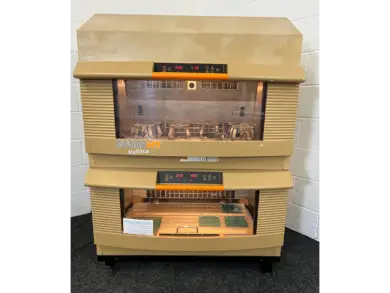
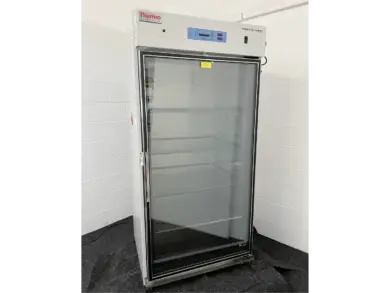
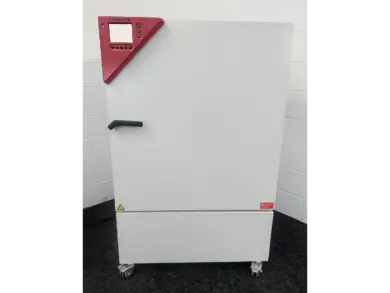
- Ovens, furnaces, incubators and environmental chambers. Heating and cooling is mature technology and these units are built to run continuously for years.
- Centrifuges, shakers, stirrers and water baths. Mechanically straightforward, easy to service, and a properly serviced unit does the same job as a new one.
- Balances and moisture analysers, which can be recalibrated.
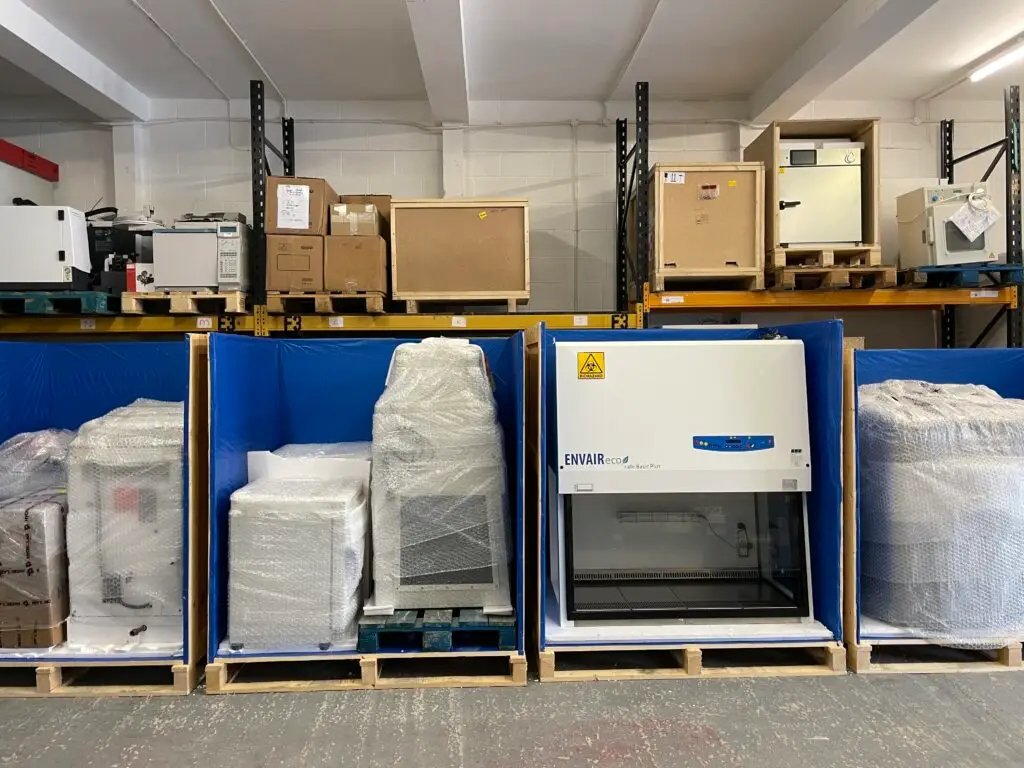
- Fume cupboards and safety cabinets, provided they are tested and certified once installed.
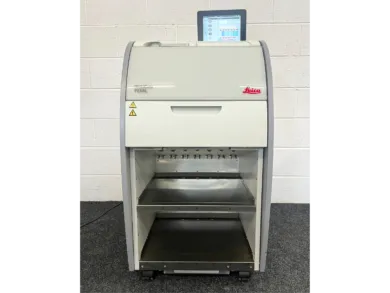
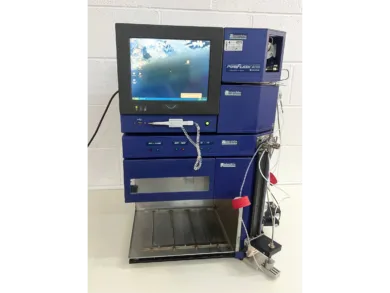
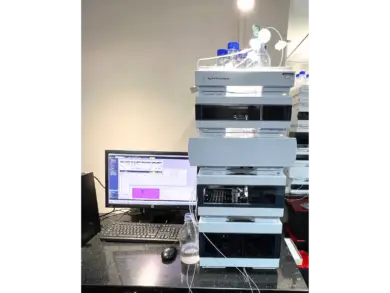
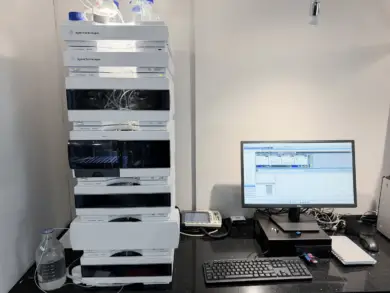
- Analytical systems using mature techniques, such as HPLC, GC, FTIR, UV-Vis and ICP. The chemistry has not changed and a well maintained system produces the same data.
Cold storage deserves a closer look. A very old ULT freezer can cost noticeably more to run than a current model, so the saving on purchase can be eaten up by the electricity bill. It is worth comparing before you decide.
When new is the better buy
- You need an unbroken, documented history for a regulated or accredited method, and the used instrument cannot supply it.
- The manufacturer has ended support and spare parts for that model are drying up.
- A warranty or a service contract from day one is a condition of your funding or your quality system.
- The instrument depends on software that has to be a current, supported version.
- The model is old enough that the running cost outweighs what you save on the purchase price.
None of these rule out used equipment in general. They are questions to ask about the specific instrument in front of you.
What to check before you buy
- What has been tested, and can the seller show it running?
- Model, serial number and rough age, so you can check support status with the manufacturer.
- What is included. Rotors, columns, probes, software and licences, cables, manuals and consumables are often the difference between a bargain and a project.
- Delivery, installation and training. Agree who is responsible for getting it working on your bench.
- What happens if it arrives faulty. Settle that before you buy, not after.
- Decontamination. Anything that has held biological, chemical or radioactive material should come with a declaration.
The environmental case
Every instrument that stays in use is one that does not have to be built, and one that does not go to waste while it still works. Newer models are often more efficient to run, so there is a real balance to strike, but keeping good equipment in circulation keeps raw materials out of landfill.
So, is it worth it?
For most laboratories, yes. The saving is real, the lead time is usually shorter, and the equipment does the same job. Almost all of the risk sits in who you buy from, which is the part you can control.
If you are replacing equipment rather than adding to it, we also buy used laboratory equipment and can offer credit or part exchange against what you are buying.
We have over 30 years of experience with second hand laboratory equipment and a team who will tell you honestly if the used route is wrong for what you are trying to do. Call us on 01257 270 433 or browse our used laboratory equipment.
Common questions
Yes, when it has been tested and serviced before sale. Most laboratory equipment is built for years of continuous use, and instruments such as ovens, furnaces, centrifuges and incubators are mechanically straightforward to service and repair. Reliability depends far more on who checked the instrument than on its age.
Neither term is regulated, so they are only as meaningful as the seller makes them. Used usually means sold as it is. Refurbished should mean the instrument has been tested, serviced and put right where needed. Always ask what work was actually carried out.
It varies between dealers and between instruments, so ask before you buy rather than assuming. Ask what is covered, for how long, and who carries out any repair. Call us on 01257 270 433 and we will tell you exactly what applies to the item you are looking at.
Yes, usually by a wide margin, although how much depends on the instrument, its age and its condition. The saving people forget is time. New instruments can take months to arrive, while stock items are often ready to ship.
Yes. Most laboratory instruments are supported by independent engineers as well as by the original manufacturer, and balances, moisture analysers and similar equipment can be recalibrated. It is worth checking parts availability on very old models before you buy.